
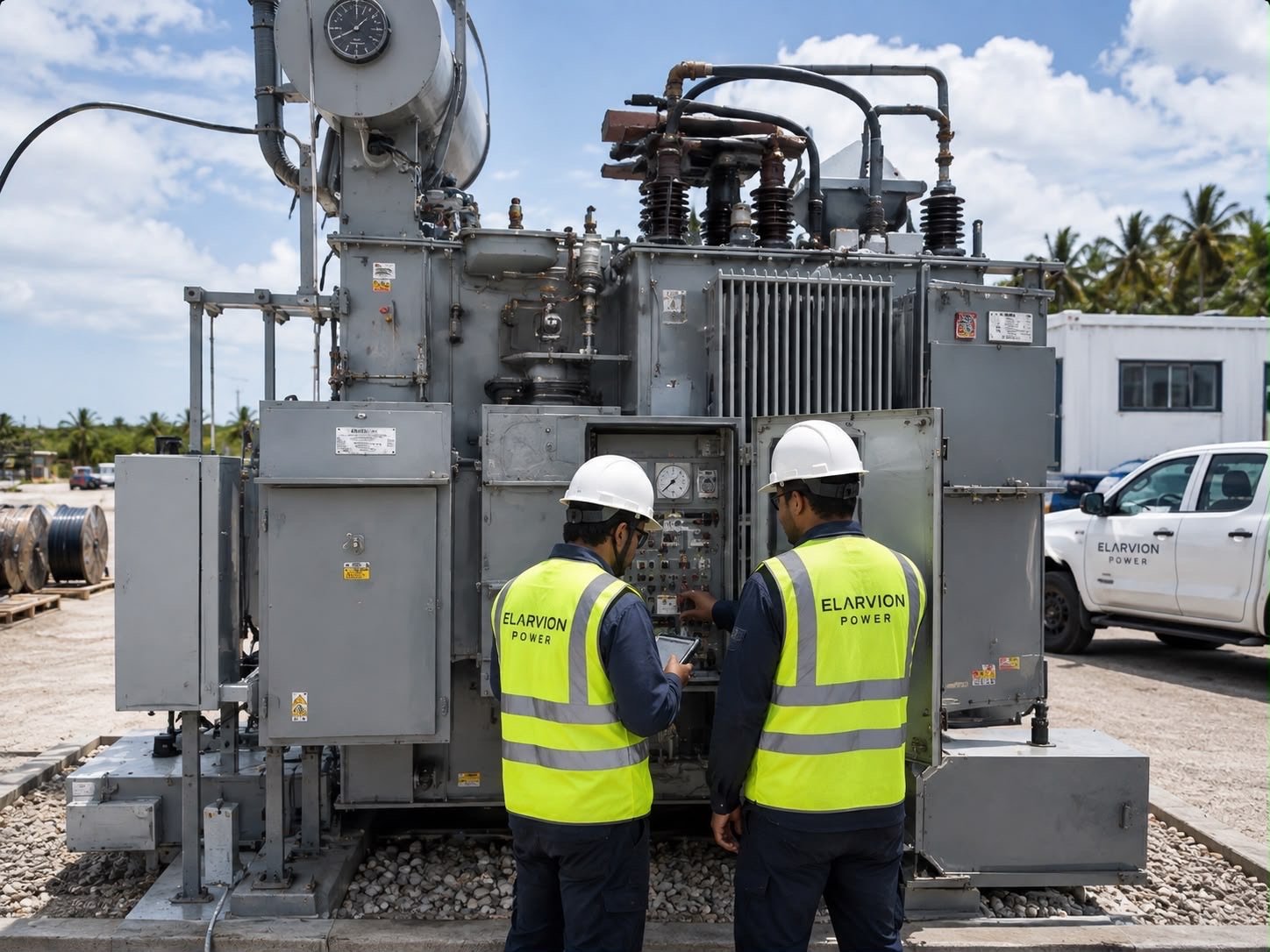
Commissioning problems are almost never testing problems. They are planning problems that surface at the end of the schedule, where they are most expensive.
Commissioning sits at the end of the project, which means it inherits every compromise made before it. When it goes badly, the testing is rarely the problem — the problem arrived months earlier and waited.
The schedule was spent before commissioning started
Commissioning is the activity most often compressed to protect an end date. Inspections are rushed, component tests are run in parallel with construction still under way, and integrated testing — the part that actually proves the system — is cut to a demonstration. The plant is then declared complete and the missing verification is discovered during the first real operating event, at the operator's expense.
Component tests are not a system test
A generator that passes its load test and a transfer switch that operates on demand can still fail together: transfer timing, protection coordination, control interlocks, and load sequencing only prove themselves in integrated tests that exercise the system the way an actual outage will. If the schedule contains no full black-building or loss-of-mains test, the system has not been commissioned — parts of it have.
Documentation is the deliverable
The client does not accept the plant on a handshake; they accept it on records. A clean handover package contains the inspection records, test results with instrument details, relay settings as applied, deficiency lists with closure evidence, as-built drawings, and the operating and maintenance documentation the facility team will actually use. If the records are incomplete, the commissioning is incomplete, whatever the plant is doing.
The fix for all of this is unglamorous: commissioning planned from the start of the project, with its own schedule, its own hold points, and the authority to keep them.